

Twenty years ago, the internet was still something people “logged onto.”
Most businesses did not understand it. Governments underestimated it. Entire industries ignored it until it was too late.
Now imagine that same level of transformation, except this time the technology does not just change communication.
It changes intelligence itself.
That is what makes AI different.
And behind this shift is something most people are barely paying attention to:
the rise of AI factories.
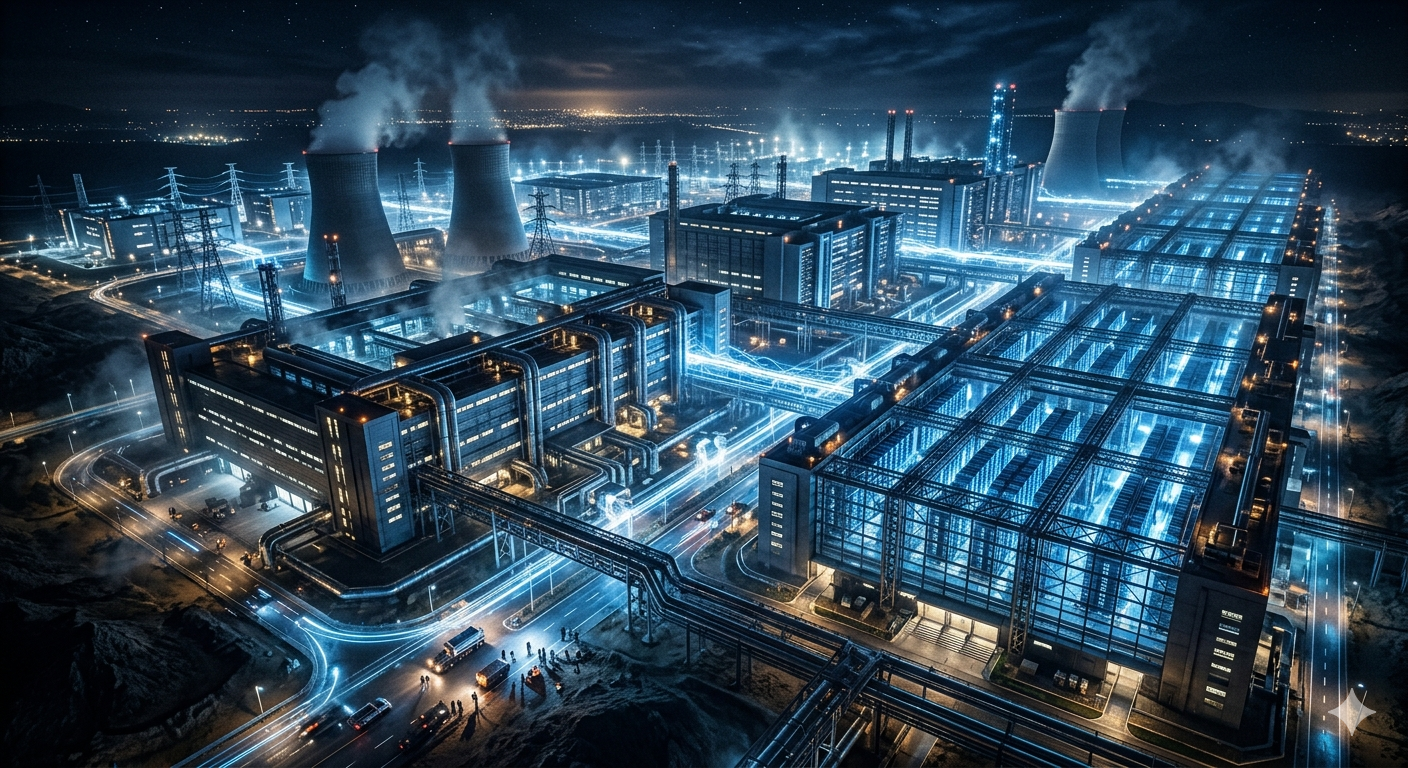
Massive AI campuses filled with GPU clusters, power systems, cooling infrastructure, fiber connectivity, and compute environments designed specifically for artificial intelligence workloads.
Most people still think AI is mainly a software story.
It is not.
It is becoming an infrastructure story very quickly.
The Internet Connected Humanity, AI Will Amplify Human Capability
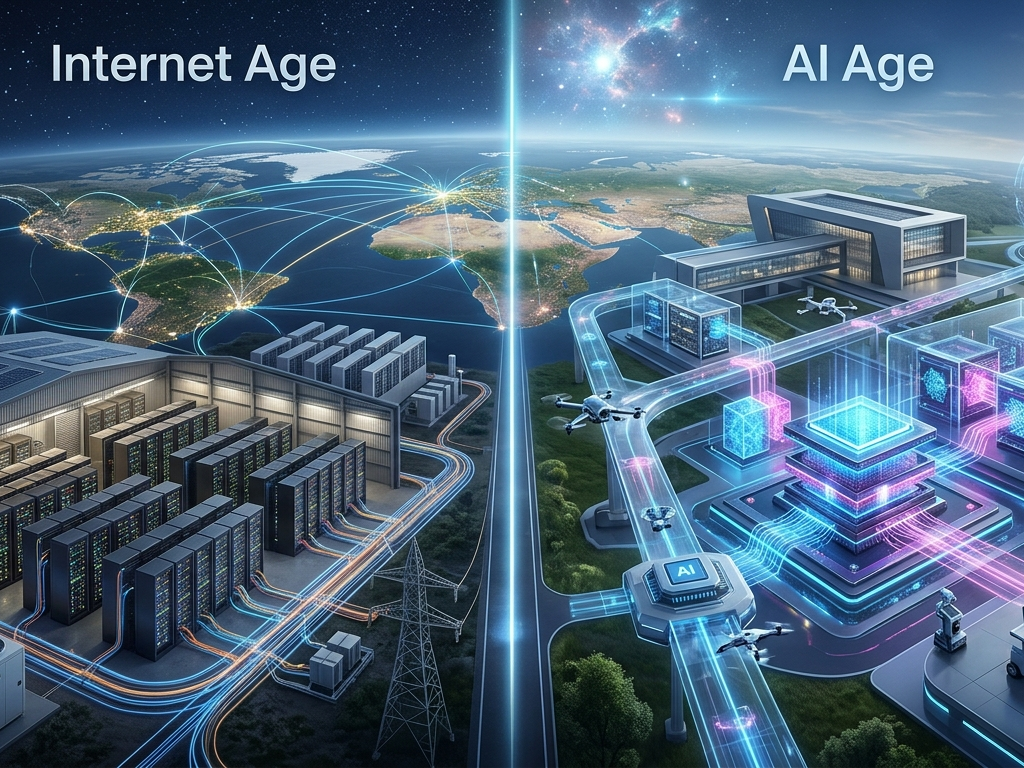
The internet gave billions of people access to information.
AI is starting to give billions of people access to scalable intelligence.
That is a much bigger shift than most people realize.
The internet helped humans communicate faster.
AI helps humans think faster, build faster, research faster, automate faster, and eventually discover things we could not realistically discover alone.
That changes the equation entirely.
A teenager with AI tools today can already produce work that once required entire departments.
A small startup can operate with capabilities that previously belonged only to major corporations.
Researchers are accelerating scientific discovery.
Developers are writing software faster than ever.
And this is still the early stage.
What Most People Still Do Not Understand About AI
Most people interact with AI through a chatbot interface.
So naturally, they assume the breakthrough is the interface.
It is not.
The real breakthrough is the infrastructure underneath it.
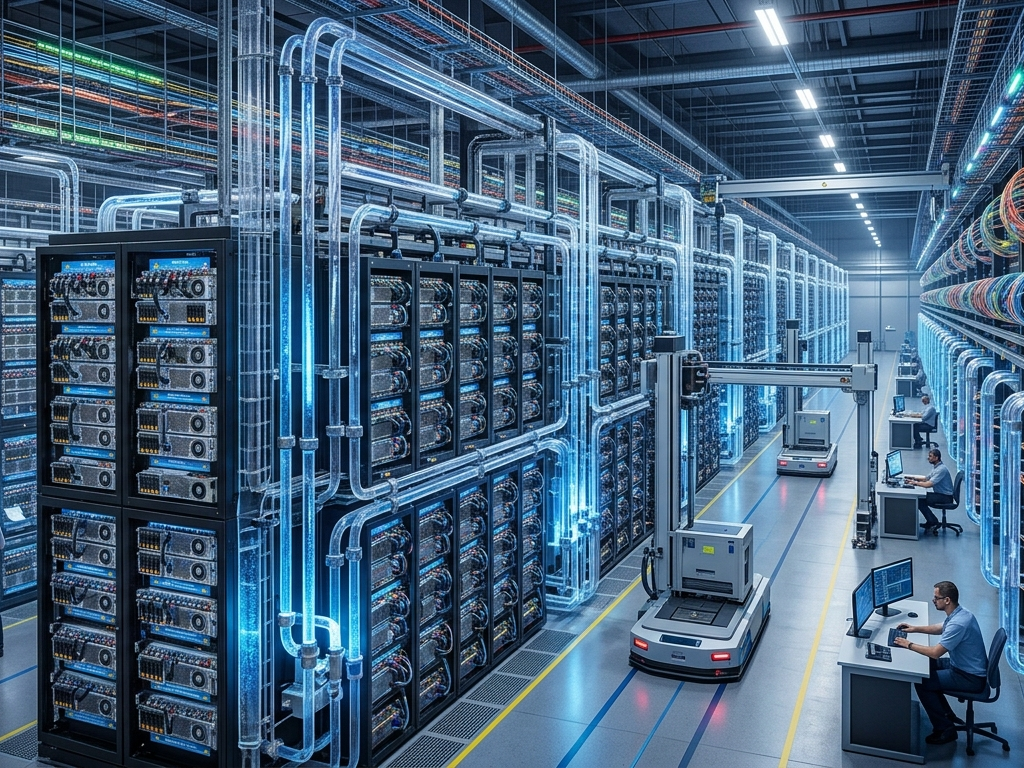
Every AI-generated image, every large language model response, every autonomous system, every inference request depends on massive physical infrastructure operating behind the scenes.
That infrastructure requires:
- enormous compute power
- advanced networking
- industrial-scale cooling
- stable energy supply
- high-density GPU environments
Training modern AI systems is incredibly resource-intensive.
Even operating them at scale requires infrastructure far beyond what traditional data centers were originally designed for.
This is why AI factories are emerging so quickly.
What Is an AI Factory?
An AI factory is a large-scale infrastructure environment specifically built for artificial intelligence workloads.
Unlike traditional data centers that mainly support websites, storage, and enterprise applications, AI factories are optimized for:
- hyperscale GPU infrastructure
- machine learning workloads
- AI inference
- high-density compute
- liquid cooling
- ultra-high power delivery
In simple terms:
traditional data centers store and move information.
AI factories generate intelligence at scale.
That distinction matters.
A lot.
The Physical Reality Behind Artificial Intelligence
There is something almost ironic about modern AI.
People think of it as virtual.
But the reality is incredibly physical.
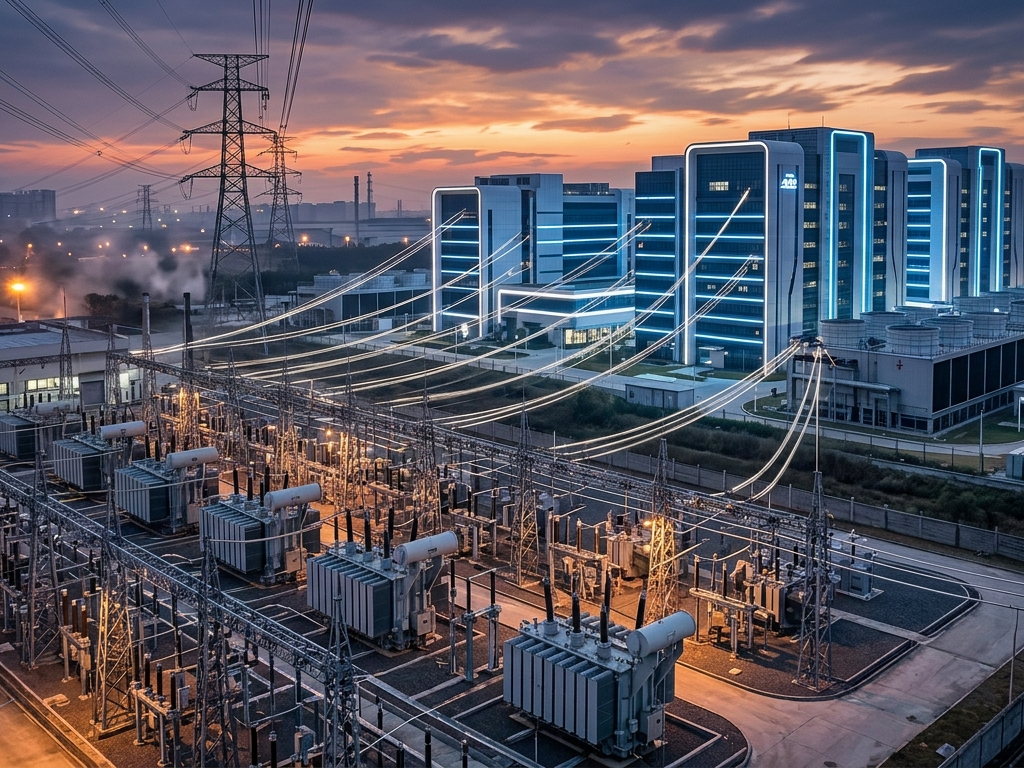
Modern AI depends on:
- power grids
- substations
- cooling systems
- fiber infrastructure
- semiconductor supply chains
- industrial construction
A large AI deployment today looks less like a software startup and more like an energy project with GPUs attached to it.
That is why some of the biggest conversations in AI are suddenly about:
- electricity
- land
- cooling
- megawatts
- infrastructure availability
Compute Is Quietly Becoming One of the World’s Most Valuable Resources
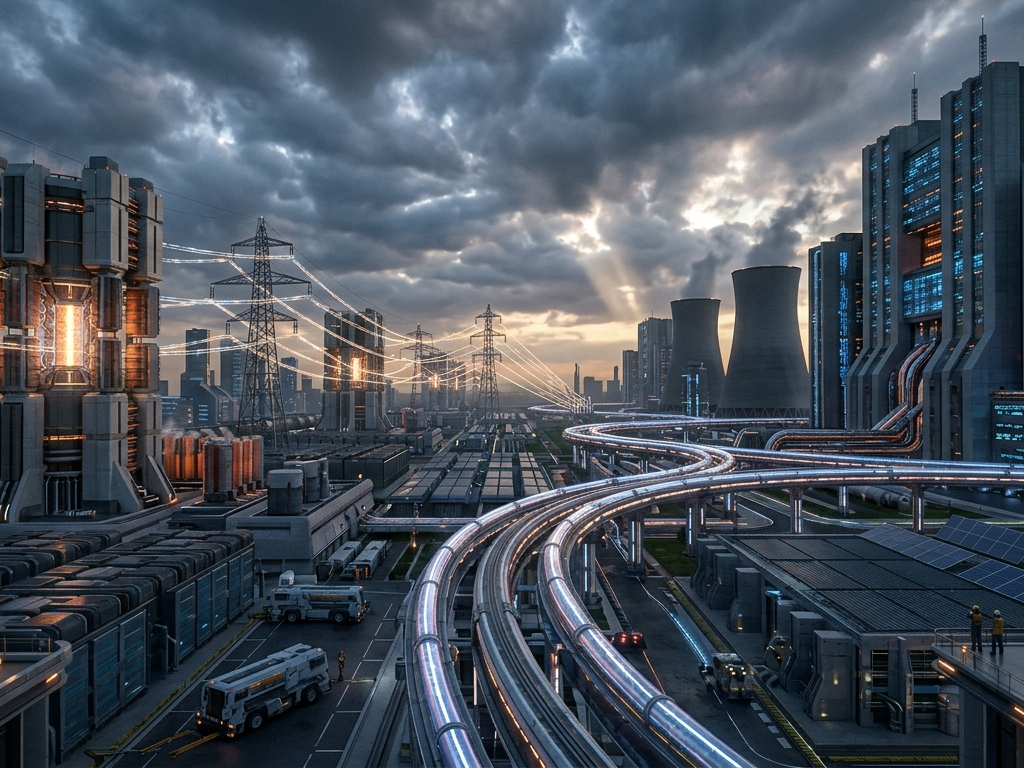
A few years ago, this idea sounded exaggerated.
Today it sounds increasingly obvious.
Compute is becoming strategic.
Countries are competing for semiconductor dominance.
Hyperscalers are racing to secure power capacity.
AI companies are searching globally for AI-ready infrastructure.
The reason is simple:
AI demand is growing faster than the physical systems needed to support it.
And unlike software, infrastructure cannot scale overnight.
You cannot instantly create:
- power generation
- grid capacity
- cooling systems
- GPU supply chains
- hyperscale AI campuses
These things take years.
That is why the companies building AI infrastructure today may end up controlling one of the most important layers of the future economy.
Traditional Data Centers Were Not Built for This
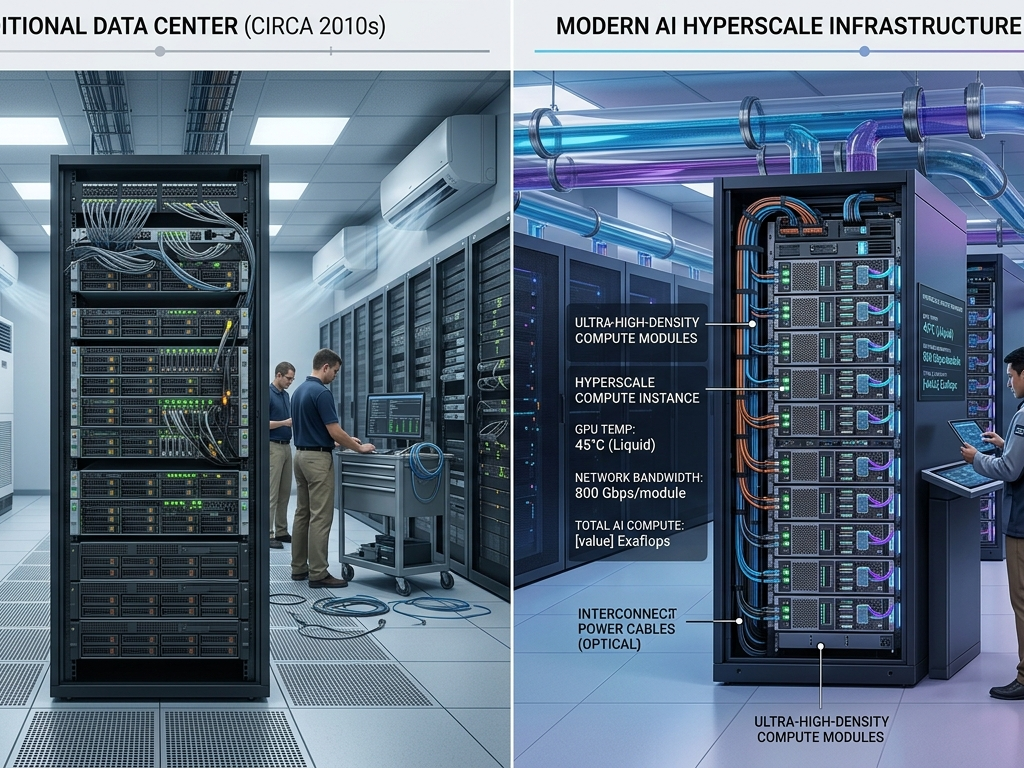
Most existing facilities were designed for a completely different era of computing.
AI changes the requirements dramatically.
Modern GPU clusters generate immense heat.
Power density requirements are increasing rapidly.
Networking demands are exploding.
Cooling systems are evolving from optional optimization to mission-critical infrastructure.
A facility built for yesterday’s internet economy may struggle badly under tomorrow’s AI workloads.
That is why the term “AI-ready infrastructure” suddenly matters so much.
Because many environments simply are not ready.
The Next Global Race Is About Power
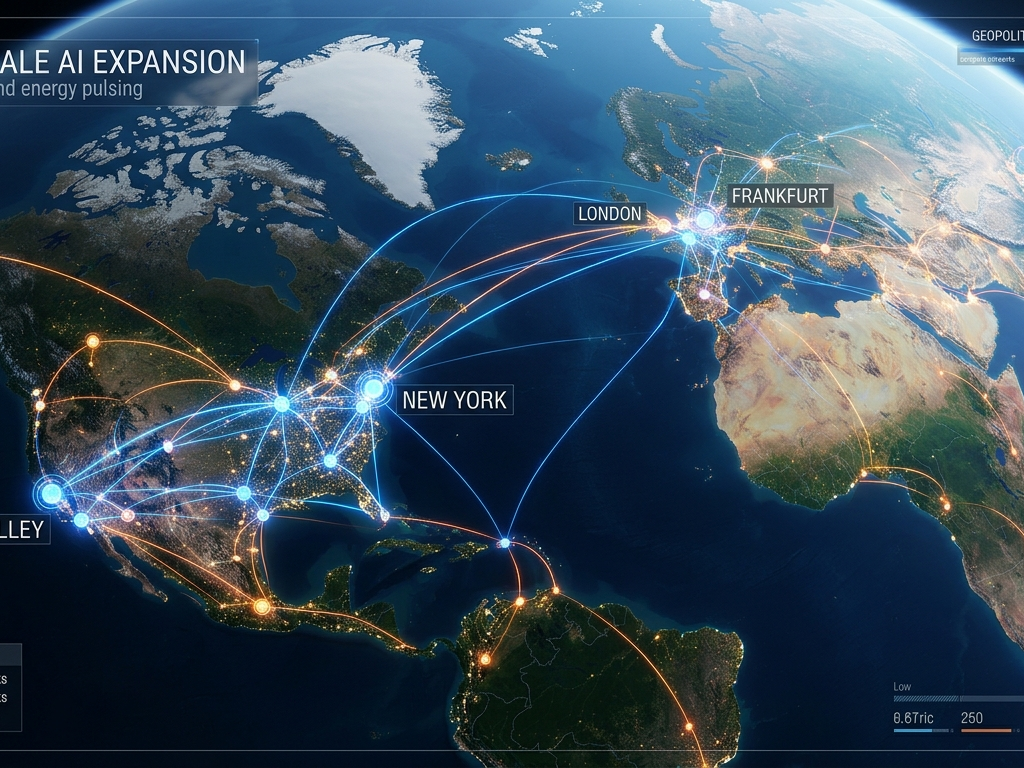
The scary part is that AI may ultimately be constrained less by algorithms and more by electricity.
That sounds extreme until you look at current infrastructure demand trends.
Some next-generation AI environments are already consuming power at scales traditionally associated with industrial manufacturing.
And demand is accelerating.
Fast.
The companies and regions that secure long-term AI-ready power capacity may gain enormous strategic advantages over the next decade.
This is no longer just a technology discussion.
It is becoming an economic and geopolitical one.
AI Factories May Become the Industrial Plants of the Intelligence Age
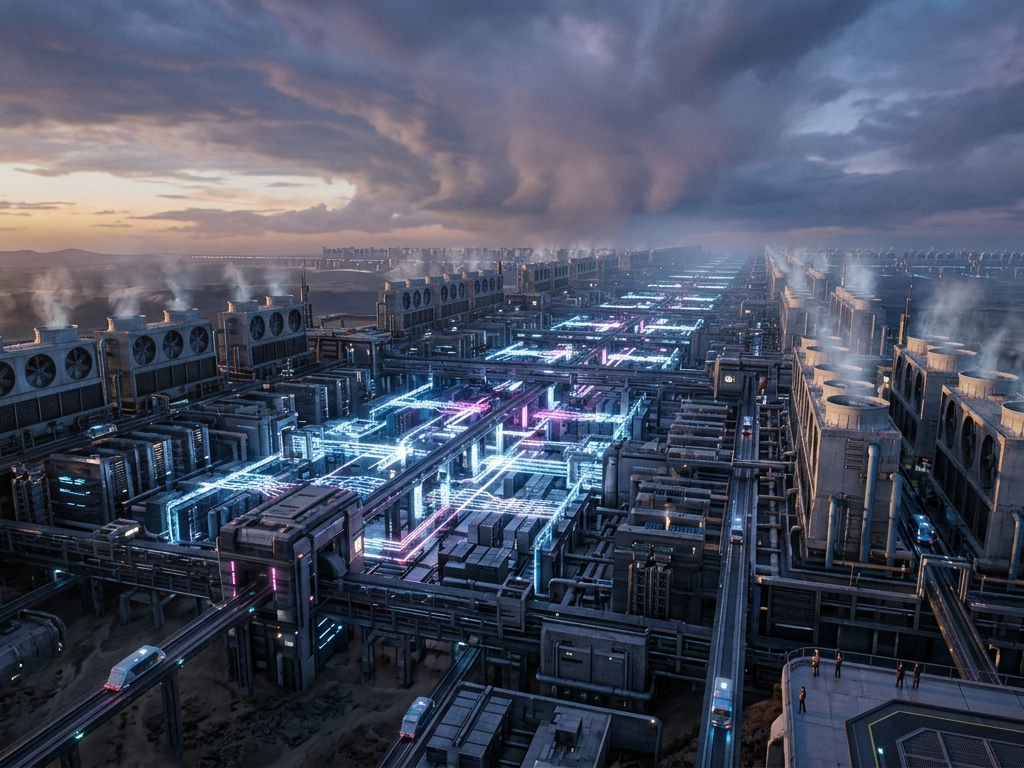
During the industrial revolution, factories transformed raw materials into physical goods.
AI factories transform energy and compute into intelligence.
That sounds dramatic, but it is increasingly true.
Every:
- AI assistant
- autonomous system
- enterprise AI platform
- scientific AI model
- inference engine
depends on infrastructure somewhere.
Most people will never see these facilities.
But they may become some of the most important structures of the modern world.
Because the future of AI is not only about who creates the smartest models.
It is also about who can operate intelligence at scale.
We Are Still Early
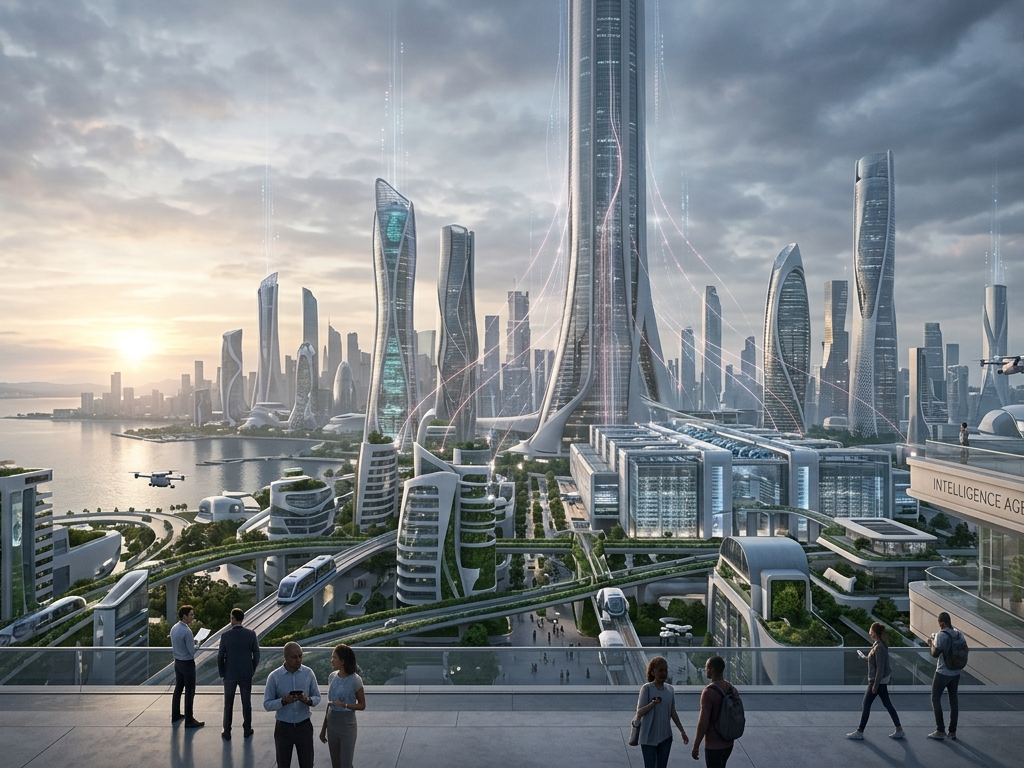
That is probably the most important thing to understand.
As advanced as AI feels right now, the infrastructure buildout behind it is only beginning.
The internet reshaped communication, media, commerce, and culture.
AI may reshape nearly every knowledge-based industry on Earth.
Healthcare.
Engineering.
Research.
Defense.
Finance.
Education.
Manufacturing.
Software.
Science itself.
And all of it depends on infrastructure most people rarely think about.
That is why AI factories matter.
Not because they are trendy.
But because they may become the foundation layer of the next era of civilization.