

In today’s digital dance, internet connectivity takes centre stage for businesses and homes alike, fueling both fun and learning. Get ready to dive into the ultimate showdown: fiber vs. wireless!
This guide will help you groove through the differences, so you can jam out with the perfect connection tailored to your needs.
Fiber vs. Wireless: Understanding the Fundamentals
Before delving into the intricacies, it is essential to grasp the fundamental disparities of fiber vs. wireless internet connections.
The Power of Fiber Optics

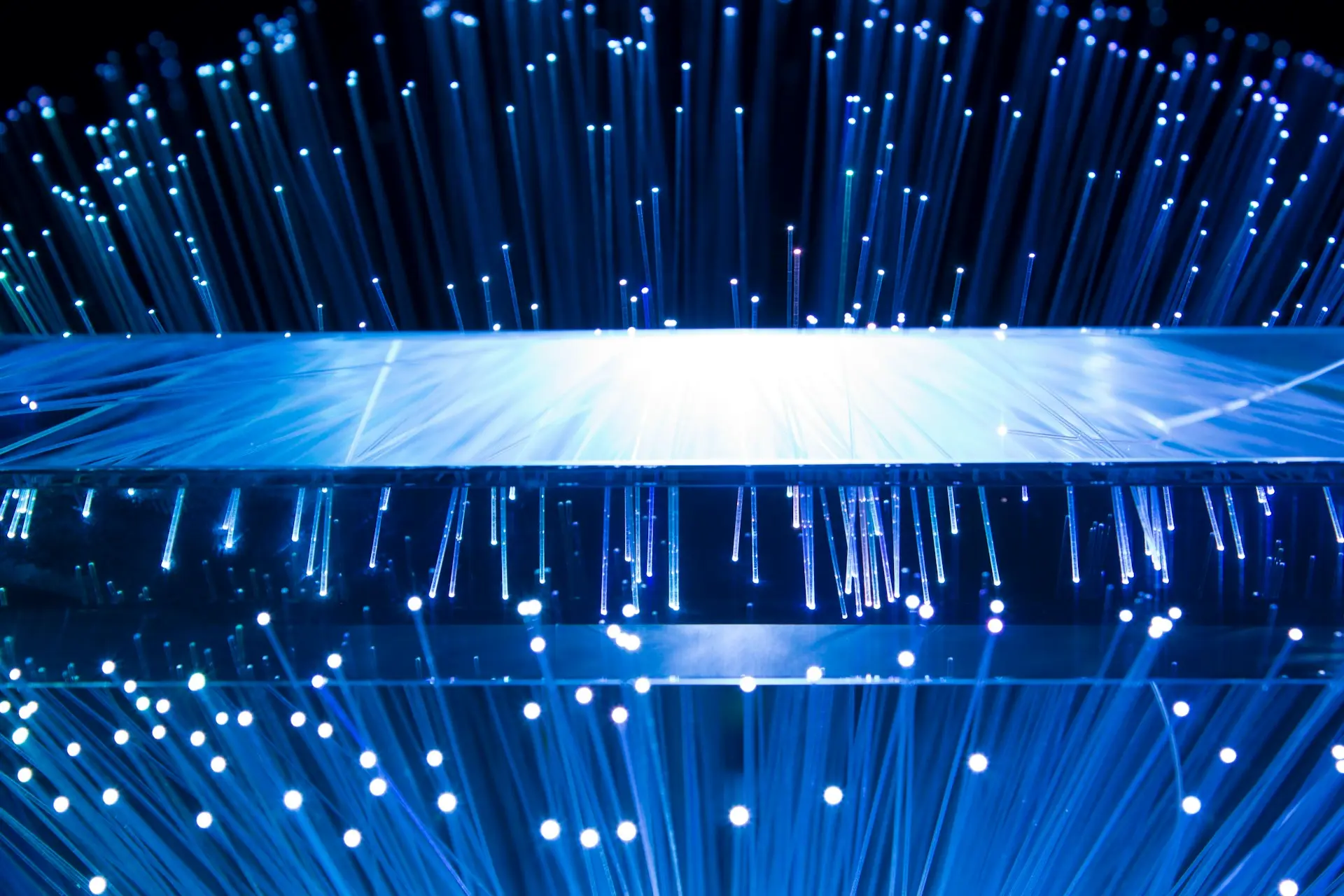
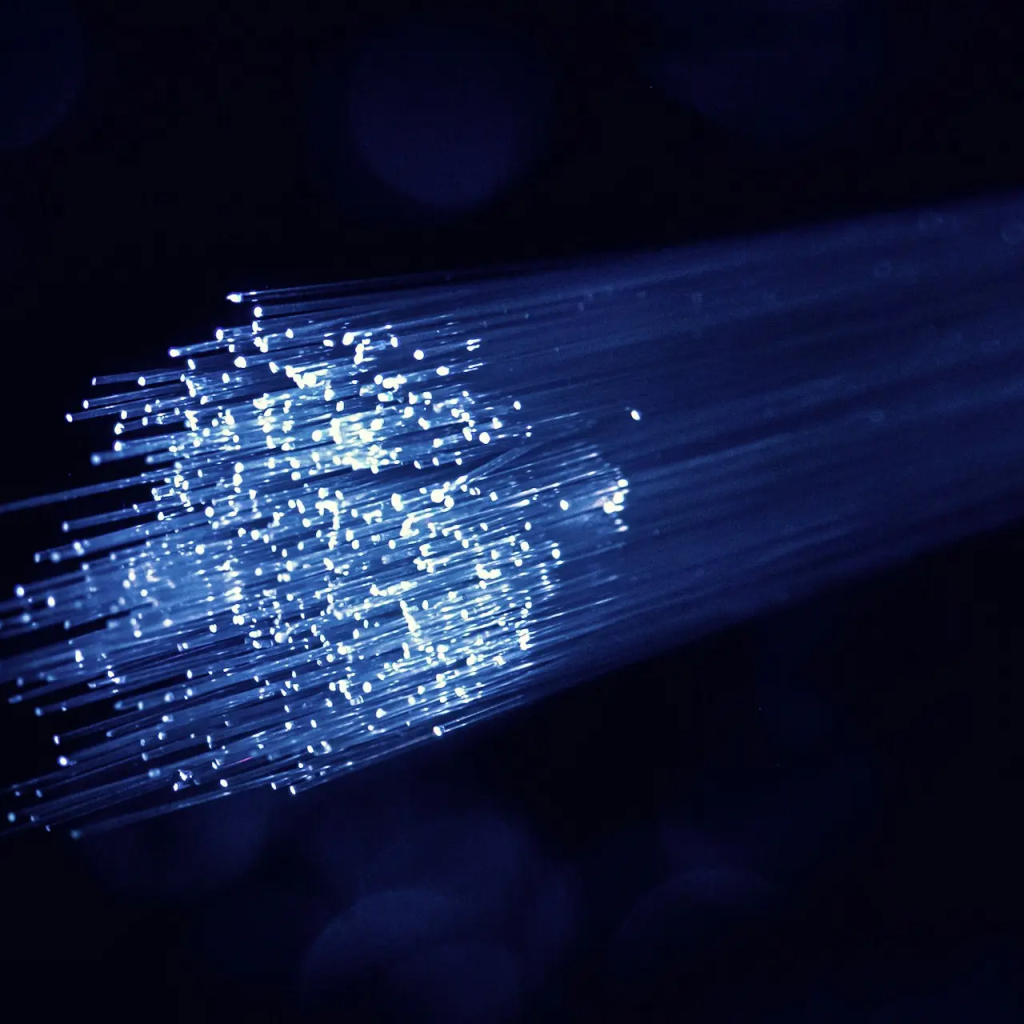
Fiber-optic internet, renowned for its superior quality, transmits data through thin strands of glass or plastic referred to as optical fibers. This technology harnesses the capability of conducting modulated light, resulting in exceptional speed and reliability.
Unlike traditional copper-based connections, fiber optics are impervious to electromagnetic interference and exhibit minimal signal degradation over extended distances.
The Versatility of Wireless
Contrary to fiber optics, wireless internet utilises radio waves to transmit data to devices. It encompasses a range of technologies such as satellite, cellular networks, and Wi-Fi, offering unparalleled flexibility.
The absence of physical cables makes wireless connectivity a popular choice due to its convenience and accessibility.
Speed and Dependability
When it comes to consistent high-speed performance and a stable connection, fiber optics take the lead.
Fiber’s Gigabit Potential

Fiber-optic connections can deliver speeds of up to 1 gigabit per second (Gbps) or even faster in certain instances, catering to bandwidth-intensive activities like 4K streaming and extensive data backups.
Furthermore, the symmetrical upload and download speeds of fiber ensure seamless collaboration and cloud computing.
Limitations of Wireless
While wireless technologies like 5G are advancing, they are yet to match the maximum speeds achievable through fiber optics. Additionally, wireless connections are prone to inherent latency, which can pose challenges in real-time applications demanding swift decision-making.
Network Security

Ensuring data security is paramount, especially for businesses. fiber optics offer enhanced security as they are impervious to common hacking methods. The data transmitted via fiber does not emit electromagnetic signals, making it exceedingly challenging to intercept without compromising the physical cable.
On the contrary, wireless signals are susceptible to interception without adequate encryption and security protocols.
The Cost Factor

Cost is a crucial aspect of any business or household budget, and internet connectivity is no exception. While fiber installations may incur higher initial costs, their lower maintenance requirements can translate to long-term cost efficiency.
Conversely, wireless options, including satellite and cellular networks, might involve higher ongoing service expenses but can present a more economical upfront investment.
Enjoy High Speed, Reliable Internet With CoreFactory AI!
CoreFactory AI is a trusted provider of AI-optimized data center infrastructure, offering high-density power, advanced cooling, secure facilities, and reliable connectivity. With scalable solutions built for AI workloads, CoreFactory AI helps businesses innovate, grow, and deploy AI with confidence.
Visit us today to learn more!